When it comes to selecting aluminum windows and doors for your home or commercial space, the decision between standard sizes and customized options is pivotal. Each choice comes with its own set of advantages and limitations, which can significantly impact aesthetics, functionality, and even budget. Understanding these elements is crucial for making an informed decision that aligns with your unique needs.
The Allure of Standard Sizes
Standard sizes in aluminum windows and doors are designed for efficiency and cost-effectiveness. These products are manufactured at scale, which often leads to lower prices compared to custom solutions. For many homeowners or businesses looking to replace existing fixtures without extensive structural changes, standard sizes can be immensely beneficial.
One of the primary advantages of opting for standard sizes is availability. These units are readily stocked by most suppliers and manufacturers. For instance, if you need a replacement window in a typical size such as 1200mm x 1200mm, you can usually find it in numerous styles and finishes without the wait associated with custom orders. This immediacy can be particularly advantageous if you're working on a tight timeline or under budget constraints.
However, while standard sizes offer convenience, they also come with limitations. The most significant drawback is that they may not fit perfectly into every opening. Older buildings or unique architectural designs may require specific dimensions that standard offerings simply do not accommodate. This mismatch can lead to gaps that affect energy efficiency or necessitate additional framing work, ultimately negating some of the savings associated with choosing standard products.
The Case for Customization
Customization options in aluminum windows and doors open up a world of possibilities tailored precisely to your specifications. If you have specific design visions or particular requirements dictated by your building's architecture, custom manufacturing becomes essential.
One major selling point for customization is the ability to select precise dimensions. This ensures that each window or door fits seamlessly within its designated opening, eliminating concerns about gaps or the need for extensive modifications during installation. For example, if you're renovating a historical property in London where every detail matters, having bespoke aluminum windows crafted to match original dimensions maintains both aesthetic integrity and historical value.
Customization also extends beyond size; it encompasses style choices as well. From frame colors to glazing options—custom solutions allow you to create a cohesive look throughout your property that reflects your personal taste or brand identity. This flexibility can enhance curb appeal significantly when selling a property or welcoming clients into a business space.
Despite these numerous benefits, customization does come at a higher price point than standard options due to added labor and material costs involved in manufacturing unique pieces. Furthermore, lead times can be longer since each unit must be made from scratch according to specific requirements.
Evaluating Your Needs
Before deciding between standard sizes and customization options for aluminum windows and doors in London—or anywhere else—it’s essential to assess your individual needs comprehensively.
Considerations for Standard Sizes:
Budget: If financial constraints are paramount, standard sizes offer significant savings. Project Timeline: A faster turnaround time might be necessary; ready-to-install solutions could serve this need. Building Design: Assess whether your existing openings accommodate typical dimensions without requiring adjustments. Aesthetic Flexibility: Determine if available styles align with your design vision.Considerations for Custom Options:
Unique Specifications: If your project includes non-standard openings or requires specific features like enhanced thermal performance. Design Cohesion: Consider how important it is that all elements match perfectly within your property’s overall aesthetic. Long-Term Investment: Weigh the long-term benefits against initial costs; custom options might provide better durability and efficiency. Historical Properties: For homes or businesses located in conservation areas needing compliance with regulations regarding design and materials.Real-World Examples
In my experience as an industry professional dealing with aluminum door manufacturers in London, I have encountered numerous projects showcasing both sides of this debate effectively:
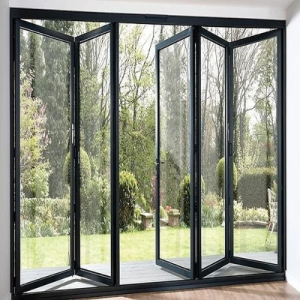
A recent project involved retrofitting an office building where standard-sized aluminum windows were chosen due to budget constraints and uniform window placements throughout the structure—a decision that paid off through quick installation timelines and reduced costs.
Conversely, I worked on another project where an upscale restaurant https://devinwhjr994.raidersfanteamshop.com/how-to-match-color-schemes-with-diverse-aluminum-frame-options demanded custom aluminum doors featuring oversized glass panels for maximum natural light while maintaining high energy efficiency standards—an investment that significantly elevated the dining experience.
Both scenarios illustrate that neither option is definitively better than the other; instead, they serve different purposes based on context.
Navigating Installation Challenges
Regardless of whether you choose standard sizes or customized options for aluminum windows and doors in London, installation remains critical to achieving desired outcomes effectively.
Standard-sized products typically allow for straightforward installation thanks to their uniformity—most contractors are well-versed in fitting these types efficiently within existing frameworks without complications arising from sizing discrepancies.
On the other hand, customized installations require meticulous attention throughout every phase—from measurements taken during site visits right through to ensuring proper sealing once installed—as any errors could lead to costly adjustments later down the line.
Investing time upfront into planning installations will pay off significantly once completed installations are functional—properly fitted units enhance both performance metrics like energy efficiency while also contributing aesthetically pleasing outcomes that align closely with client expectations.
Conclusion
Choosing between standard sizes versus customization when selecting aluminum windows and doors is far more than just picking a product; it’s about aligning those choices with broader goals concerning functionality, aesthetics, budgetary considerations, timelines—and often personal values surrounding craftsmanship itself.
As an experienced writer familiar with these topics firsthand across various projects—from residential builds through commercial spaces—my advice remains clear: assess all relevant factors thoroughly before embarking upon any purchasing decisions so you can maximize both satisfaction levels alongside return on investment long term!
Careful consideration today leads not only toward immediate results but lasting enhancements built over time—a testament worth pursuing when investing into crucial elements such as high-quality aluminum fixtures crafted specifically around one’s needs!